Introduction
You finally found that perfect Polo Bear sweater online. The price looks reasonable, the photos seem legit, and you hit buy. But when it arrives, something feels off. The stitching looks sloppy. The bear looks slightly wrong. You just got fooled by a fake.
This happens to thousands of shoppers every single year. Counterfeit Polo Bear clothing is everywhere, and it is getting harder to spot. Knowing how to identify authentic Polo Bear clothing is no longer optional. It is essential if you want to protect your money and your wardrobe.
In this guide, you will learn exactly what separates real Polo Bear pieces from clever knockoffs. We cover everything: labels, stitching, fabric, bear graphics, tags, and where to shop safely. By the end, you will feel confident walking into any store or browsing any listing and knowing exactly what you are looking at.
What Is Polo Bear Clothing?
Polo Bear clothing is one of Ralph Lauren’s most iconic and collectible product lines. The Polo Bear first appeared in 1991 as a gift from Ralph Lauren to his friends. It featured a hand-painted teddy bear wearing classic preppy outfits like cable-knit sweaters, polo shirts, and tuxedos.
Over time, the Polo Bear became a cultural symbol. Celebrities wore it. Collectors hunted it. And streetwear culture embraced it fully in the 2010s.
Today, how to identify authentic Polo Bear clothing matters more than ever because the brand’s popularity has made it a prime target for counterfeiters. The resale market is worth millions, and fake sellers want a piece of that money.
Key Polo Bear Product Categories
- Knit sweaters featuring the bear in seasonal outfits
- Oxford shirts with embroidered bear graphics
- T-shirts with printed or embroidered bear designs
- Jackets and outerwear with bear patches
- Hats and accessories with small bear logos
Each category has its own authentication details. You need to know what to look for in each one.
Why Fakes Are Flooding the Market
Counterfeit Polo Bear clothing has exploded on platforms like eBay, Depop, Poshmark, and even Amazon. Here is why:
High resale value. Vintage Polo Bear sweaters from the 1990s can sell for $300 to over $1,000. That kind of margin attracts fake sellers fast.
Strong brand recognition. Everyone knows the Polo pony logo. But fewer people know the subtle details that make the Polo Bear design authentic. Counterfeiters exploit that gap.
Easy-to-copy designs. A bear wearing a sweater sounds simple. But the authentic details are incredibly specific, which is why knowing how to identify authentic Polo Bear clothing requires a trained eye.
I have personally seen fakes so convincing that even experienced vintage shoppers got fooled. That is why this guide exists.
How to Identify Authentic Polo Bear Clothing: The Label Test
The label is your first line of defense. Learning how to identify authentic Polo Bear clothing starts the moment you flip the garment over and look inside.
What Authentic Labels Look Like
Font and spacing matter. Ralph Lauren uses very specific fonts on their labels. The text should be clean, evenly spaced, and sharp. Blurry printing, odd spacing, or unusual fonts are immediate red flags.
Country of origin. Authentic Polo Bear clothing from the 1990s and early 2000s was typically made in the USA, Hong Kong, or Italy. Modern pieces may be made in other countries, but the label should clearly state the origin without smudging or fading.
“Polo Ralph Lauren” branding. The label should say “Polo by Ralph Lauren” or “Polo Ralph Lauren” depending on the era. The wording needs to be exact. Watch for subtle misspellings like “Ralf Lauren” or “Polo Raiph Lauren.” Those are dead giveaways.
Care instructions. Authentic care labels include detailed washing and drying instructions. Fakes often have vague or poorly printed instructions. Real labels use a consistent font throughout.
Vintage Label Differences
If you are buying vintage Polo Bear clothing from the early 1990s, the labels looked slightly different from modern ones. Doing a quick comparison against verified authentic pieces from that era helps you spot inconsistencies.
Stitching and Embroidery: What Real Looks Like
One of the best ways to learn how to identify authentic Polo Bear clothing is by studying the stitching up close. This is where fakes consistently fail.
Embroidery on the Bear
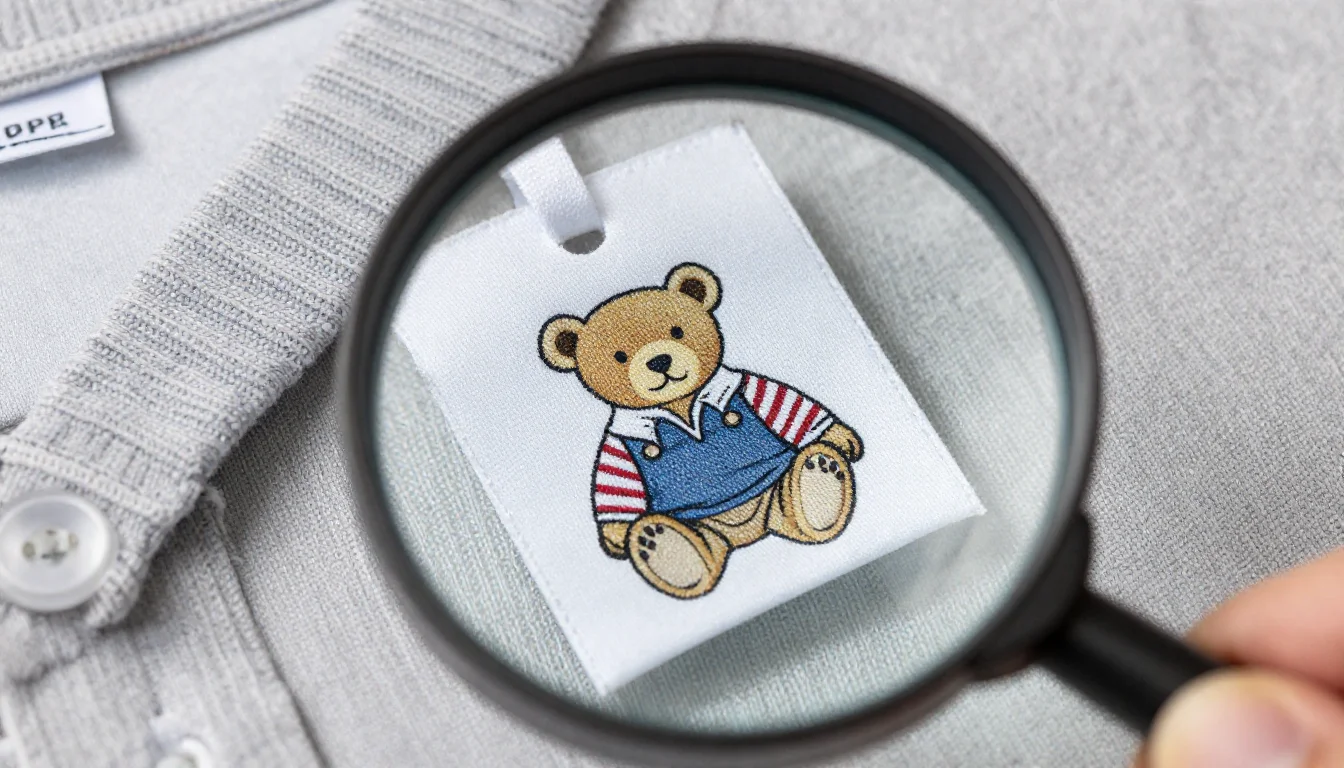
The Polo Bear is almost always embroidered rather than printed on high-end pieces. Here is what real embroidery looks like:
- Tight, clean stitches with no loose threads
- Dimensional texture where the bear appears slightly raised from the fabric
- Consistent color depth across the entire graphic
- Smooth edges on the bear’s outline, with no fraying or blurring
Fakes often use loose stitching. The threads may bunch, pull, or sit flat against the fabric with no texture. Colors on fake embroidery often look slightly washed out or too bright.
Seam Quality
Flip the garment inside out and examine the seams. Authentic Polo Bear clothing uses reinforced seams that lie flat and even. You should not see excess thread, glue residue, or uneven joining. Fake garments frequently have messy internal seams that unravel quickly.
Fabric Quality: Touch Tells the Truth
When you are learning how to identify authentic Polo Bear clothing, never underestimate your hands. Fabric quality is one of the most reliable indicators of authenticity.
What Authentic Fabric Feels Like
Cotton pieces should feel soft and substantial. Ralph Lauren uses high-quality cotton that has a slight weight to it. Fakes feel thin, scratchy, or plasticky.
Knit sweaters should feel dense and even. The knit pattern on authentic Polo Bear sweaters is tight and uniform. If you can see through the knit easily or the pattern looks stretched, that is a concern.
Weight. Pick up the garment. Real Polo Bear clothing has a noticeable weight because of quality materials. Counterfeits often feel surprisingly light.
Pilling and Durability
Authentic Ralph Lauren fabrics resist pilling in the short term. A fake piece often starts pilling after just a few wears. While you cannot test this before buying, reading reviews carefully and checking for post-purchase complaints on a seller’s profile gives you useful information.
The Bear Graphic: Details That Separate Real from Fake
This is the heart of how to identify authentic Polo Bear clothing. The bear itself contains dozens of tiny details. Getting familiar with those details is your secret weapon.
Facial Features
The Polo Bear’s face is distinctive. On authentic pieces:
- The expression is specific to the design variant you are buying (skiing bear, stadium bear, etc.)
- Eyes are clearly defined with consistent color
- The nose and mouth are neatly embroidered or printed
- Proportions look natural and balanced
Fake bears often have slightly off proportions. The eyes may be too large, too small, or misaligned. The facial expression can look blurry or simplified.
Outfit Details on the Bear
Every Polo Bear variant has specific outfit details. A skiing bear wears particular colors and accessories. A stadium bear has specific team references. Authentic pieces match the known design specifications exactly.
Cross-reference the piece you are buying with verified images from official Ralph Lauren archives or trusted authentication communities. Even small color deviations on the bear’s outfit are red flags.
Placement on the Garment
On authentic pieces, the bear sits in a specific position on the garment. It is never crooked, never off-center (unless that is intentional in the design), and never awkwardly placed near a seam.
Tags, Holograms, and Serial Numbers
Knowing how to identify authentic Polo Bear clothing also means understanding the physical tags attached to the garment.
Hangtags
Authentic Polo Bear clothing comes with a specific style of hangtag when purchased new. The tag includes:
- Clean, professional printing with no smudging
- Correct font matching the era of the garment
- The Polo pony logo printed sharply and clearly
Fake hangtags often feel flimsy. The paper stock is thinner, the printing looks slightly off, and the pony logo may appear fuzzy.
Interior Care Tags
Read every word on the care tag. Misspellings, odd capitalization, and missing information all suggest a counterfeit. Authentic care tags are precise and professional.
QR Codes and Security Features (Modern Pieces)
Newer Polo Ralph Lauren pieces include QR codes or other digital authentication features. Scan those codes. If they do not link to the Ralph Lauren website or if the link feels suspicious, be cautious.
Packaging and Retail Clues
How to identify authentic Polo Bear clothing does not stop at the garment itself. The packaging and the seller tell a story too.
Official Retail Packaging
When you buy from an authorized retailer, authentic pieces come in clean, branded bags or boxes. The tissue paper, stickers, and receipts all match the Ralph Lauren aesthetic. Unbranded plain packaging from a seller claiming retail stock is a red flag.
Authorized Retailer Lists
Ralph Lauren sells through authorized retailers worldwide. These include department stores like Nordstrom, Bloomingdale’s, and Selfridges, as well as Ralph Lauren’s own stores and official website. Buying from verified sources eliminates most authentication worries.
Where to Buy Authentic Polo Bear Clothing Safely
Now that you know how to identify authentic Polo Bear clothing, here are the safest places to buy.
Primary Market (New Pieces)
- RalphLauren.com is always the safest option for new releases
- Authorized department stores like Nordstrom, Saks Fifth Avenue, and Harrods
- Ralph Lauren flagship stores in major cities
Secondary Market (Vintage and Resale)
The resale market is where things get tricky. Here is how to shop it safely:
- Use platforms with buyer protection. Depop, Poshmark, and eBay all offer some level of buyer protection for counterfeit claims.
- Request additional photos. Ask for close-up shots of the label, bear graphic, stitching, and care tag before buying.
- Check seller history. Sellers with long track records and positive reviews for Polo pieces specifically are more trustworthy.
- Use authentication services. Platforms like Legit Check App or Real Authentication offer expert verification for vintage Ralph Lauren pieces.
- Trust your gut. If the price seems too good to be true for a vintage Polo Bear sweater, it almost always is.
Red Flags to Watch Out For
When learning how to identify authentic Polo Bear clothing, keeping a mental checklist of red flags saves you from costly mistakes.
Price red flags:
- Vintage Polo Bear sweaters under $80 in great condition
- New-with-tags pieces sold well below retail with no explanation
Visual red flags:
- Bear graphic looks slightly off or cartoonish
- Colors are too bright or slightly wrong
- Stitching appears flat, loose, or inconsistent
Seller red flags:
- No detailed photos of labels and tags
- Defensive or evasive responses to authentication questions
- Listing says “inspired by” or “style of” rather than genuine
Physical red flags:
- Fabric feels cheap or thin
- Seams are uneven or messy inside
- Labels have any spelling errors whatsoever
FAQs
Q1: How do I know if my Polo Bear sweater is authentic? Check the label font, embroidery quality, bear proportions, and fabric weight. Authentic pieces have tight stitching, clean labels, and substantial fabric. Cross-reference with verified authentic pieces online.
Q2: Are there fake Polo Bear shirts on major platforms like eBay? Yes, absolutely. Fakes exist on every major resale platform. Always request close-up photos of the label and embroidery before purchasing, and use buyer protection options.
Q3: What year did Polo Bear clothing first come out? The Polo Bear debuted in 1991. Ralph Lauren introduced it as a gift, and it quickly became one of the brand’s most recognizable designs.
Q4: Is the Polo Bear always embroidered or sometimes printed? Both exist. Premium knit sweaters feature embroidered bears. T-shirts and casual pieces may use printed graphics. Embroidered pieces command higher value and are more frequently counterfeited.
Q5: How can I authenticate a vintage Polo Bear piece I already own? Use an authentication service like Legit Check App or post in dedicated Ralph Lauren authentication communities on Reddit or Facebook. Provide clear photos of the label, bear graphic, and overall garment.
Q6: What makes Polo Bear clothing so valuable? The combination of Ralph Lauren’s brand prestige, the collectible nature of the designs, limited production runs, and strong pop culture associations all drive value. Certain vintage variants are exceptionally rare.
Q7: Can I authenticate Polo Bear clothing by the pony logo alone? No. The pony logo is easier to fake than the bear graphic. You need to examine the full garment including labels, stitching, fabric, and bear details together.
Q8: What is the most commonly faked Polo Bear item? Vintage knit sweaters from the early 1990s are the most commonly faked because of their high resale value. Stadium bears and skiing bears are particularly targeted.
Q9: Does Ralph Lauren offer official authentication? Ralph Lauren does not offer a public authentication service. For vintage pieces, third-party authentication services are your best option.
Q10: How much should I pay for authentic Polo Bear clothing? Prices vary widely. New pieces from the official store range from $100 to $400. Vintage pieces in excellent condition can reach $500 to $1,500 depending on rarity and design.
Conclusion
Knowing how to identify authentic Polo Bear clothing is a skill that pays for itself every single time you shop. You protect your money, build a genuine collection, and never have to wonder if that bear on your sweater is the real deal.
The key takeaways are simple. Study the labels carefully. Examine the embroidery up close. Feel the fabric weight and quality. Cross-reference the bear’s proportions and outfit details with verified authentic examples. Buy from trusted sources whenever possible, and use authentication services when buying vintage.
How to identify authentic Polo Bear clothing is not complicated once you know what to look for. But it does require attention to detail and a willingness to ask questions before spending your money.
Have you ever been fooled by a fake Polo Bear piece, or do you have a tip that has helped you authenticate a purchase? Share your experience in the comments. Your insight might save someone else from a costly mistake.
About the Author:
Johan Harwen is a fashion writer and vintage clothing authenticator with over eight years of experience in luxury and streetwear markets. Jordan has authenticated hundreds of Ralph Lauren, Supreme, and vintage sportswear pieces for collectors and resellers across North America. When not writing, Jordan scours thrift shops and estate sales for rare finds worth sharing with fellow enthusiasts.
Also read usapolobear.com
Email: johanharwen314@gmail.com
Author Name: Johan Harwen