
Introduction
Walk into any grocery store today and you will see shelves packed with milk, yogurt, and cheese labeled low fat dairy. It feels like everyone is talking about it, but does it actually deserve the hype? I remember standing in the dairy aisle myself, confused about whether skim milk was really better than whole milk or just another marketing trick.
The truth is, low fat dairy has real science behind it, but it also comes with a few myths that need clearing up. In this article, you will learn what low fat dairy actually means, how it compares to full fat options, and whether it truly helps with weight loss, heart health, and strong bones. By the end, you will know exactly how to choose the right dairy products for your lifestyle.
What Is Low Fat Dairy?
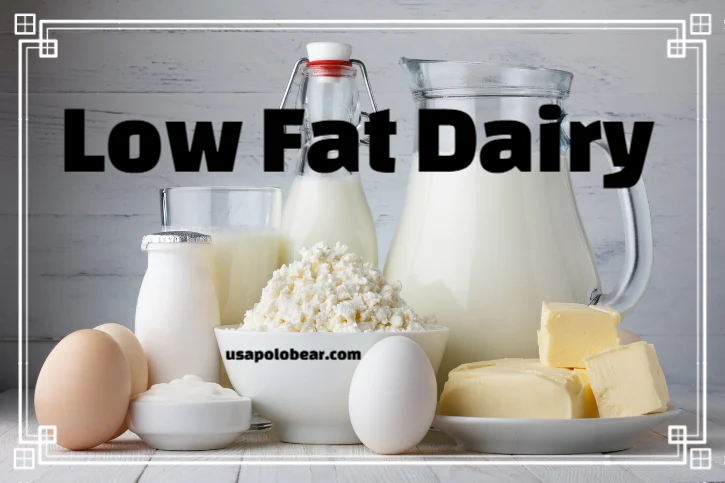
Low fat dairy simply refers to milk, cheese, yogurt, and other dairy products that have had most of their fat content removed or reduced. Regular whole milk usually contains around 3.5 percent fat, while low fat versions contain about 1 to 2 percent.
This process does not remove the calcium, protein, or vitamins found in dairy. It only reduces the fat and, as a result, the calories. That is why low fat dairy has become a popular choice for people watching their weight or cholesterol levels.
Types of Low Fat Dairy Products
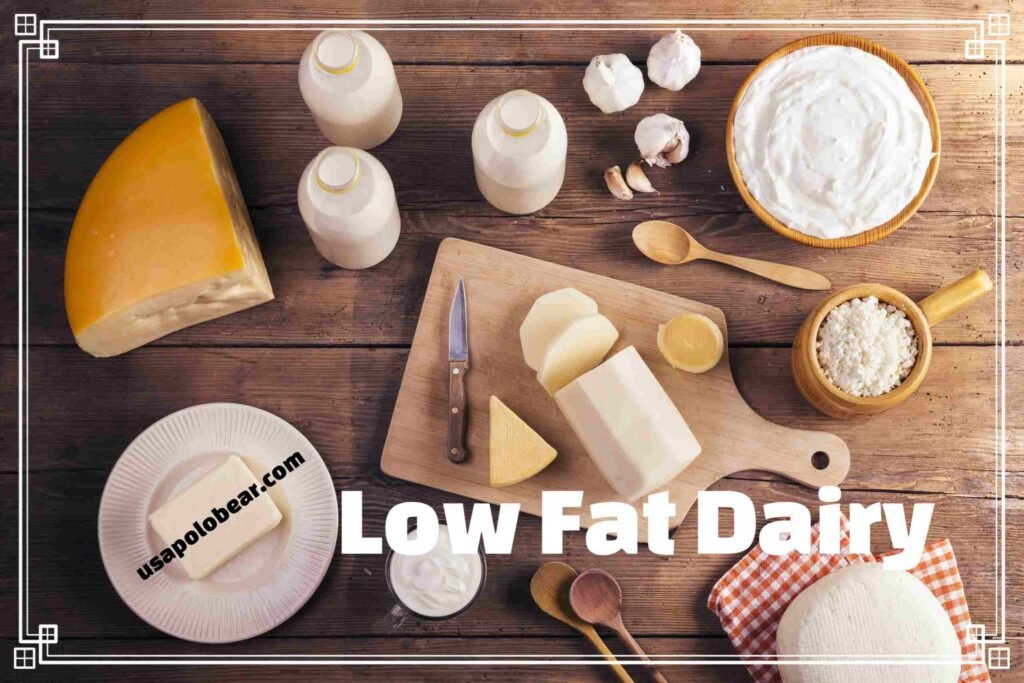
You have more options than you might think when it comes to low fat dairy. Here are some common choices you will find in stores.
- Skim milk or 1 percent milk
- Low fat yogurt, including Greek yogurt
- Low fat cottage cheese
- Reduced fat cheese slices or blocks
- Low fat buttermilk
- Low fat kefir
Each of these gives you the same nutritional backbone as full fat dairy, just with less fat and fewer calories per serving.
Low Fat vs Full Fat Dairy
This is where most people get confused. Full fat dairy contains more calories and saturated fat, but it also tends to feel more filling and flavorful. Low fat dairy trades some of that richness for a lighter nutritional profile.
Recent research has actually softened the old belief that full fat dairy is always bad for you. Some studies suggest full fat dairy may not raise heart disease risk as much as once thought. Still, if you are managing your calorie intake or have high cholesterol, low fat dairy remains a smart and simple choice.
In short, neither option is evil. It really depends on your personal health goals and how your body responds to fat intake.
Health Benefits of Low Fat Dairy
Low fat dairy offers several benefits that go beyond just cutting calories. Let us break them down.
- It supports strong bones with high calcium content
- It provides quality protein without excess fat
- It helps maintain a healthy weight
- It supports heart health by lowering saturated fat intake
- It gives you essential vitamins like B12, riboflavin, and phosphorus
Adding low fat dairy to your daily meals is an easy way to boost nutrition without adding unnecessary calories.
Polo Ralph Lauren Cologne
Is Low Fat Dairy Good for Weight Loss?
Yes, low fat dairy can genuinely support weight loss goals. Since it has fewer calories than full fat dairy, you can enjoy similar servings without consuming as much fat.
Protein rich options like low fat Greek yogurt also help you feel full longer, which can reduce snacking between meals. I personally started swapping regular yogurt for low fat Greek yogurt during breakfast, and it made a noticeable difference in keeping my hunger in check until lunch.
That said, low fat does not always mean low sugar, so it helps to check labels carefully, especially with flavored yogurts. Source: Olpers
Low Fat Dairy for Heart Health
Heart health is one of the biggest reasons people switch to low fat dairy. Saturated fat has long been linked to higher cholesterol levels, which can increase the risk of heart disease.
By choosing low fat milk, cheese, and yogurt, you naturally reduce your saturated fat intake while still getting calcium and potassium, both of which support healthy blood pressure. The American Heart Association continues to recommend low fat or fat free dairy as part of a heart healthy diet.
Best Low Fat Dairy Foods
If you are wondering where to start, here are some of the best low fat dairy foods worth adding to your routine.
- Low fat Greek yogurt for high protein content
- Skim milk for a lighter everyday option
- Low fat cottage cheese as a snack or protein booster
- Part skim mozzarella for a lighter pizza night
- Low fat kefir for gut friendly probiotics
These options make it easy to enjoy dairy without overloading on fat or calories.
Low Fat Dairy and Protein
One thing people often overlook is how protein rich low fat dairy can be. Removing fat does not reduce protein content, which means you still get all the muscle building and satiety benefits.
A single cup of low fat Greek yogurt can contain around 20 grams of protein, making it an excellent choice for breakfast, post workout meals, or a quick snack. This makes low fat dairy a favorite among fitness enthusiasts and anyone trying to increase their daily protein intake.
Low Fat Dairy for Bone Health
Calcium is essential for strong bones, and low fat dairy delivers plenty of it. Since the fat removal process does not affect calcium content, you get the same bone supporting benefits as full fat dairy.
Vitamin D fortified low fat milk also helps your body absorb calcium more effectively. This combination makes low fat dairy especially valuable for growing children, active adults, and older individuals concerned about bone density and osteoporosis.
Brooks Koepka WITB
Low Fat Dairy for Children and Adults
Low fat dairy is not just for adults watching their weight. Many pediatricians recommend low fat milk for children over the age of two, once their bodies no longer need the extra fat found in whole milk for brain development.
For adults, low fat dairy fits well into balanced diets, whether you are focused on heart health, weight management, or simply eating clean. It offers flexibility for the entire family without sacrificing important nutrients.
Does Low Fat Dairy Have Less Sugar?
This is a common misunderstanding. Low fat dairy does not automatically mean low sugar. Plain low fat milk and yogurt contain natural sugar called lactose, similar to their full fat counterparts.
However, flavored low fat yogurts and milk products often have added sugar to improve taste after the fat is removed. This is why reading nutrition labels matters. Choosing plain, unsweetened low fat dairy is the best way to avoid unnecessary added sugars.
Is Low Fat Dairy Healthy?
Overall, low fat dairy is a healthy choice for most people. It provides essential nutrients like calcium, protein, and vitamin D while reducing saturated fat intake. It supports weight management, bone strength, and heart health when chosen wisely.
The key is balance. Pair low fat dairy with a nutritious diet, stay mindful of added sugars, and choose plain varieties whenever possible. When done right, low fat dairy can be a simple and effective part of a healthy lifestyle.
Conclusion
Low fat dairy is far more than a diet trend. It offers real, science backed benefits for your heart, bones, muscles, and overall wellness. Whether you are trying to lose weight, build muscle, or simply eat healthier, low fat dairy gives you a flexible and nutritious option.
The next time you are at the grocery store, take a moment to check the label and pick a plain, low sugar option. Your body will thank you. What is your favorite low fat dairy product? Share your thoughts and try adding one new low fat dairy item to your meals this week.
Frequently Asked Questions
Is low fat dairy better than full fat dairy? It depends on your health goals. Low fat dairy has fewer calories and less saturated fat, while full fat dairy offers more richness and satiety. Both can fit into a healthy diet.
Does low fat dairy taste different from full fat dairy? Yes, low fat dairy often tastes lighter and less creamy since much of the fat, which carries flavor, has been removed.
Can low fat dairy help lower cholesterol? Yes, replacing full fat dairy with low fat versions can help reduce saturated fat intake, which may support healthier cholesterol levels over time.
Is low fat milk good for kids? Low fat milk is generally recommended for children over two years old, once they no longer need extra fat for early brain development.
Does low fat dairy have the same calcium as full fat dairy? Yes, the fat removal process does not affect calcium content, so low fat dairy provides the same bone supporting benefits.
Is low fat yogurt a good protein source? Absolutely. Many low fat yogurts, especially Greek yogurt, are packed with high quality protein that supports muscle health and keeps you full longer.
Does low fat dairy always have less sugar? No, plain low fat dairy has natural sugar similar to full fat versions. Flavored options often contain added sugar, so checking labels is important.
Can low fat dairy support weight loss? Yes, its lower calorie content combined with high protein makes low fat dairy a helpful addition to a weight loss friendly diet.
usapolobear
About the Author
Sarah Mitchell is a health and nutrition writer with years of experience simplifying complex diet topics for everyday readers. She enjoys turning research backed information into practical tips that help people make smarter, healthier food choices every day.